

Don’t expect lower new‑home prices just because shipping got better in 2026.
Container rates are down and port throughput is up, but copper shortages, tariffs, and a DRAM (memory) squeeze are still pushing costs higher.
What logistics fixes do is cut surprise delays and make price moves steadier, not reverse them.
So builders face slower, more predictable cost growth — fewer panic spikes, but ongoing upward pressure that still shows up in contract prices and buyer budgets.
2026 Supply Chain Improvements and Their Direct Impact on New‑Construction Prices

Supply chain improvements in 2026 are real. Container rates are down, port throughput is up, you can measure it. But those gains don’t land in a vacuum. They’re hitting the ground on top of structural shortages, tariff walls, and a semiconductor market that’s deeply constrained. The net effect on new‑construction prices? Upward pressure that’s slightly slower and more predictable than 2024–2025. Not relief.
The U.S. is carrying a refined copper deficit of 330,000 metric tons into 2026. Average copper price forecast is $12,075 per metric ton. DRAM prices are expected to climb 70% to 100% versus 2025. Lead times for memory‑dependent components are running past 58 weeks. Those are hard constraints. Better port flow and trucking reliability can’t erase them.
What supply chain improvements can do is reduce the frequency of schedule blow‑ups. They lower the odds of last‑minute panic buying. They give procurement teams clearer visibility into what’s scarce and what’s not.
Builders carrying buffer inventory, a common strategy now, incur added financing and storage costs that flow directly into contract prices. Regions with long, import‑heavy supply chains remain more exposed to price shocks. Diversified regions with local or nearshored sourcing capture more of the upside from logistics fixes.
Core supply chain improvements expected to take hold in 2026:
Shorter lead times for non‑constrained materials like standard lumber, basic steel framing, and common fasteners. Better logistics reliability through reduced port congestion and more stable trucking capacity. Improved materials flow via redesigned distribution networks and regionalized warehousing. Reduced freight‑rate volatility as container imbalances stabilize and contract pricing replaces spot panic. Better supplier diversification as firms shift from single‑source dependencies to multi‑regional contracts.
The question isn’t whether supply chains are improving. They are. The question is whether that improvement outweighs tariffs, deficits, and semiconductor bottlenecks.
In 2026, it doesn’t.
Material Cost Shifts From 2026 Supply Chain Enhancements

Better logistics can ease the path for cement, lumber, and basic steel. But 2026 material forecasts show clear upward momentum driven by scarcity, trade policy, and input‑cost inflation. Copper is projected to average $12,075 per metric ton for the year, with architectural copper nearing $12,500 in Q2. That’s a wiring, plumbing, and HVAC cost driver that improved shipping schedules won’t offset. Imported cement is expected to rise $5 to $10 per ton due to higher energy and transport costs, even as port delays shrink.
Domestic steel costs climbed roughly 16% heading into 2026. Aluminum is averaging around $2,800 per ton, a three‑year high. Lumber and plywood saw price increases through 2025 and are forecast to rise further into Q2 2026 as trade restrictions limit supply. Supply chain enhancements help prevent short‑term spikes and allow more predictable ordering, but they don’t reverse the underlying price floors set by tariffs and production constraints.
What changes is the nature of the price increase. Instead of erratic jumps triggered by surprise shortages or freight bottlenecks, builders face steady, forecastable escalation. That shifts risk from schedule chaos to budget planning. It’s a meaningful improvement for project finance but not for the bottom‑line number on a purchase agreement.
| Material | 2026 Forecast | Supply Chain Influence |
|---|---|---|
| Refined Copper | $12,075/mt average; architectural $12,500/mt in Q2 | Improved logistics reduce volatility but can’t close 330k‑ton U.S. deficit |
| Imported Cement | +$5–$10 per ton | Stable shipping helps predictability; energy and transport costs still push prices up |
| Lumber & Plywood | Further rise expected through Q2 2026 | Trade restrictions limit supply; better freight flow prevents shortage spikes but not price gains |
| Steel & Aluminum | Domestic steel +16%; aluminum ~$2,800/ton | Tariffs and production costs dominate; logistics improvements stabilize delivery, not price |
Regional divergence matters. Markets with nearshored suppliers or local mills see smaller upticks because their supply chain improvements deliver both speed and cost containment. Markets reliant on long‑haul imports capture the speed benefit but still absorb tariff and freight‑cost floors.
Logistics Upgrades and Their Influence on Construction Lead Times in 2026

Port congestion relief and more stable container rates are already visible heading into 2026. Shipping lines have rebalanced fleets. Contract freight pricing is replacing the spot‑rate chaos that defined 2021–2023. For builders, that translates to fewer surprise delays on bulk commodity orders. Cement, rebar, standard framing lumber, and basic finish materials like drywall and insulation.
But logistics upgrades don’t fix bottlenecks rooted in production capacity or policy. Semiconductor and DRAM lead times remain above 58 weeks despite better freight flow because the constraint is fab capacity and memory‑chip allocation, not trucking or ocean shipping. Copper’s deficit is a mining and refining gap, not a distribution problem. Companies are responding by moving inventory forward and building buffer stock, which reduces schedule disruption but increases carrying costs that get baked into bids.
The practical effect for construction procurement is a split outcome. Commodity materials with diversified global supply benefit from logistics improvements. Lead times drop, price volatility eases, and order windows shrink. Specialized inputs like controls, sensors, EV‑ready panels, and copper‑intensive systems see minimal improvement in timing and continued upward cost pressure.
How logistics upgrades lower construction delays in practice:
Stable freight pricing allows builders to lock transport costs early, reducing change‑order exposure tied to shipping surcharges. Reduced port dwell times cut the lag between order placement and jobsite delivery for imported materials, tightening schedules by 1 to 3 weeks on average. Regionalized warehousing and forward inventory positioning let suppliers commit to tighter delivery windows, lowering the risk of cascading schedule slips. Better container availability eliminates the need to delay shipments waiting for empties, a common 2022–2023 problem that added weeks to critical‑path items.
The takeaway is logistics fixes help you plan better and reduce chaos. They don’t make the materials cheaper or always faster when the real constraint is upstream.
Labor Market Conditions and How They Interact With 2026 Supply Chain Efficiency

Supply chain improvements can deliver materials on time. But they can’t frame walls or run conduit. Construction employment is projected to grow just 0.3% in 2026, and the industry needs to add roughly 349,000 workers to meet demand and replace retirements. That gap drives wage inflation and schedule pressure no logistics upgrade can solve.
Twenty percent of subcontractors reported losing workers in 2025. Skilled trades like electricians, plumbers, and HVAC techs remain the tightest segments. Technology adoption, ERP systems, cloud scheduling, AI‑assisted estimating, can offset some administrative burden and improve crew allocation. But it doesn’t eliminate the need for bodies on site. When materials arrive faster but crews are booked out months in advance, the schedule benefit evaporates and labor premiums rise to secure capacity.
The interaction effect is subtle but important. Improved material flow reduces downtime and waiting, which can boost productivity per worker‑hour. That marginal efficiency gain helps. But it doesn’t offset the wage pressure from an aging workforce, lower trade‑school enrollment, and immigration limits. Labor costs are rising independent of supply chain conditions. In many markets, labor is now the larger driver of new‑construction price increases than materials. A builder who locks copper prices early and enjoys predictable delivery windows still faces higher labor bills and the risk that subs walk to higher‑paying jobs mid‑project.
Electronics, Smart‑Home Systems, and the 2026 Semiconductor Constraint

DRAM prices are forecast to rise 70% to 100% in 2026 compared to 2025, with quarterly price hikes ranging from 20% to 70% for automotive‑grade memory. Independent distributors report new‑order lead times exceeding 58 weeks. Those numbers hit every electronics‑dependent system in a modern home. HVAC controls, smart thermostats, EV charging infrastructure, security panels, lighting automation, and integrated home networks.
Supply chain improvements in freight and logistics do nothing to fix semiconductor fab capacity or memory‑chip allocation. The constraint is upstream in Taiwan, South Korea, and a handful of specialized fabs. Builders ordering smart‑home packages or advanced HVAC systems in 2026 face both steep price increases and the need to commit orders 12 to 18 months ahead to secure supply. OEMs are paying premiums to lock allocations, and those premiums flow through to contractors and buyers.
The practical impact is a bifurcated pricing environment. Homes specified with minimal electronics or older‑generation controls see modest cost increases. Homes built to modern energy‑efficiency or smart‑home standards carry meaningful upcharges tied to DRAM and semiconductor content. In some cases, builders are redesigning systems or specifying fewer integrated features to sidestep the memory‑chip bottleneck. It’s a workaround that lowers amenity value to control cost.
Construction systems most affected by the 2026 semiconductor constraint:
HVAC controls and zoning systems that rely on embedded processors and DRAM for programmable logic. EV‑ready electrical panels and charger installations with smart load‑management features. Whole‑home automation and security platforms that integrate lighting, climate, and access control. Building energy‑management systems in multifamily and commercial‑grade residential that optimize power usage in real time.
The mismatch between logistics improvements and semiconductor shortages creates a planning trap. Materials arrive on schedule, rough‑in proceeds smoothly, then the project stalls waiting for control systems or pays a steep premium for expedited allocation.
Tariffs, Trade Policy, and How They Offset 2026 Supply Chain Gains

Semi‑finished copper products carry 50% tariffs heading into 2026. There’s a potential additional 15% tariff that could take effect January 1, 2027. That risk is prompting stockpiling and accelerated purchasing in 2026, which pushes spot demand and prices higher even as logistics flow improves. Steel, aluminum, and copper all have price floors set by policy, not shipping costs.
The effect is a wedge between what supply chain efficiency could deliver and what buyers actually pay. Faster port throughput and stable freight rates lower the cost of moving a ton of steel from mill to distributor. But the tariff adds a fixed percentage on top that wipes out much of the savings. In some cases, importers and contractors are raising bid prices preemptively to cover tariff uncertainty, or they’re buying forward and holding inventory, which adds financing and storage costs passed to the end buyer.
Trade policy also creates volatility in sourcing decisions. Firms that diversified suppliers to nearshore or domestic mills in response to earlier tariff rounds may see smaller price increases, but they’re a minority. The broader market remains exposed to import tariffs and the whipsaw risk of exemption changes or new levies. That uncertainty discourages long‑term contracting and keeps a risk premium in pricing even when physical supply chains are running smoothly.
The result is that tariff‑driven cost floors often exceed any savings generated by 2026 logistics improvements. A builder might cut freight expense by 10% through better scheduling and routing, only to absorb a 15% to 20% tariff‑driven material cost increase. The net is still higher prices, just with less volatility and fewer surprise shortages.
Regional Variations in How 2026 Supply Chain Changes Affect New‑Construction Pricing
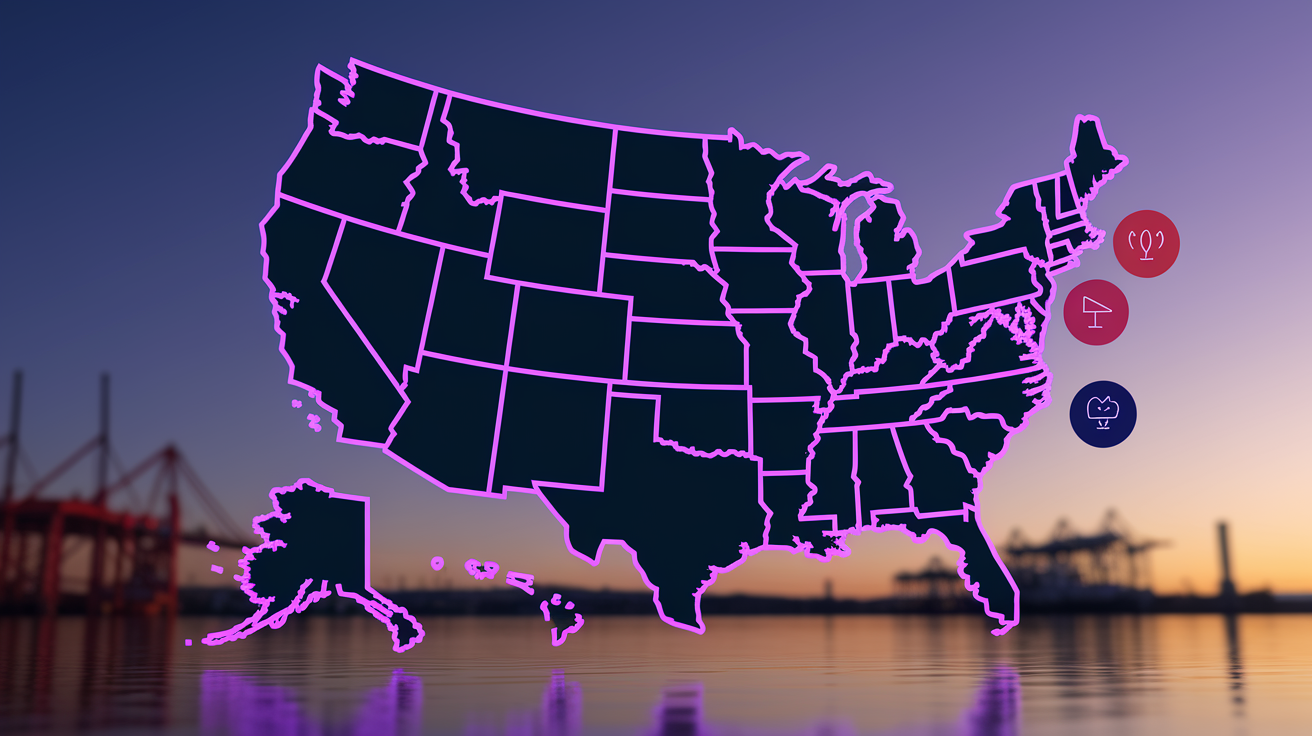
U.S. construction markets are not equally exposed to global supply chains. Regions with strong domestic manufacturing bases, nearshored suppliers, or diversified import channels benefit more from 2026 logistics improvements because they face fewer chokepoints and lower tariff risk. Regions reliant on long‑haul imports or concentrated sourcing see supply chain gains largely offset by tariffs, weather disruptions, and last‑mile logistics challenges.
The Midwest, with proximity to domestic steel mills and cement plants, captures cost stability from improved rail and trucking logistics. The West, heavily dependent on Asian imports for lumber, aluminum, and electronics, remains more exposed to port congestion risk and tariff floors despite overall port throughput improvements. The Northeast, with aging infrastructure and higher labor costs, sees logistics gains eroded by regional wage pressure and limited local material sourcing.
Weather and local labor markets drive additional divergence. Severe storms in the South in 2025 strained asphalt and roofing‑material supply. Those regional shocks persist into 2026 and create price spikes that national supply chain trends don’t capture. Markets with tight labor pools see schedule delays that negate the benefit of on‑time material delivery.
| Region | Main Risk Factor | Effect on Prices |
|---|---|---|
| Midwest | Skilled‑labor shortages; reliance on domestic steel/cement | Modest cost increases; logistics gains partially offset by labor wage inflation |
| West | Import‑heavy supply chains; tariff exposure; port reliance | Higher material costs; logistics improvements stabilize timing but not price |
| Northeast | Aging infrastructure; high labor costs; limited local sourcing | Elevated prices; logistics gains eroded by regional wage and transport premiums |
| South | Weather volatility; asphalt/roofing supply shocks | Price spikes in affected submarkets; national supply trends less predictive |
The practical takeaway is that national supply chain improvements create a baseline of better predictability, but regional cost outcomes vary by 10% or more based on local sourcing, labor markets, and exposure to import tariffs. Buyers and developers should benchmark costs to regional peers, not national averages.
Design and Material Substitution Strategies That Maximize 2026 Supply Chain Improvements
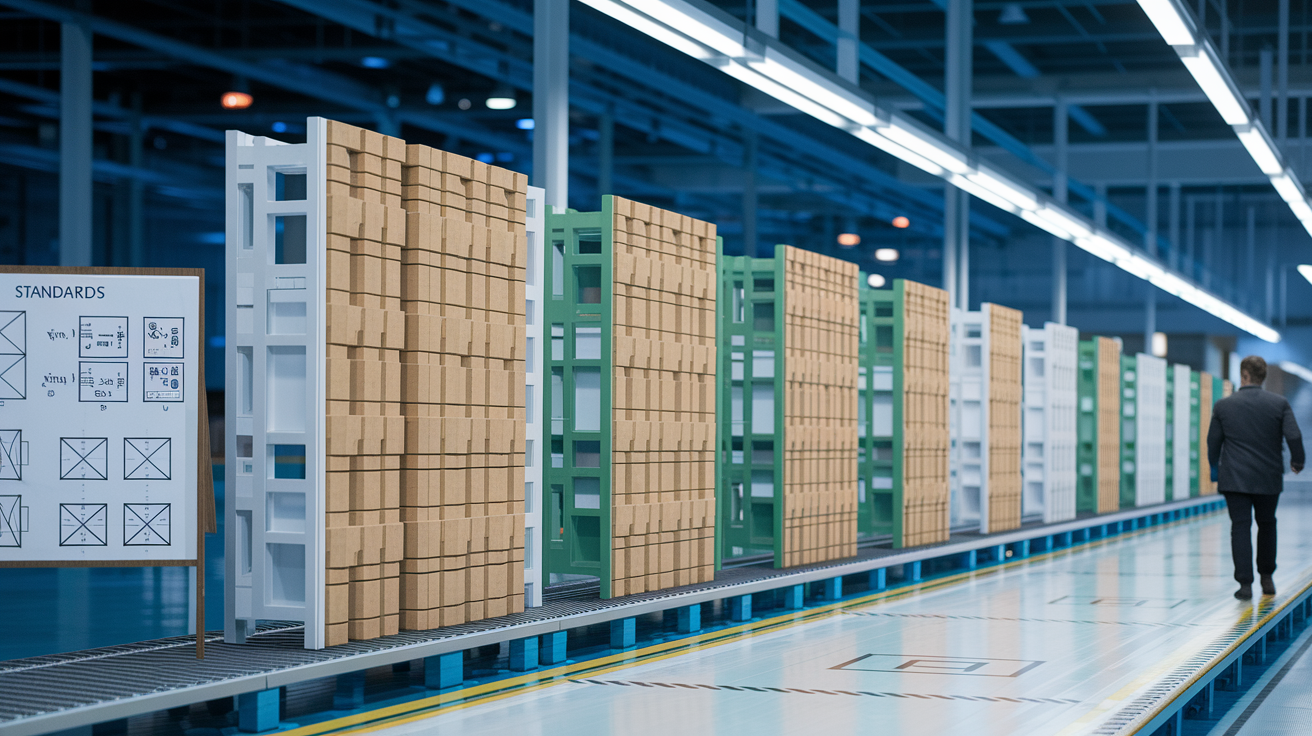
Builders can capture more value from 2026 supply chain improvements by redesigning specs to favor materials and components with reliable, diversified supply. SKU rationalization, reducing the number of unique parts and finishes, lowers exposure to single‑source bottlenecks and lets procurement teams order in bulk with better pricing and lead‑time commitments.
Some firms are migrating designs away from legacy components that will shrink in availability before 2028. That includes older‑generation HVAC controls, specialty copper fittings with long lead times, and custom‑finish materials that rely on constrained suppliers. Switching to newer, more common components with multiple suppliers and stable production runs reduces the risk of mid‑project shortages and price escalations.
Prefabrication and modular construction align well with improved supply chains because off‑site factories can hold inventory, stage deliveries, and absorb logistics variability that would otherwise hit jobsites. Modules and panels built in controlled environments also reduce on‑site labor hours, offsetting some of the wage pressure that supply chain fixes can’t address. When supply chains are predictable, prefab timelines compress and cost advantages widen.
Practical material substitution strategies for 2026:
Specify standard copper piping and wiring sizes with multiple approved suppliers to avoid single‑source shortages and tariff spikes. Replace custom cabinetry and millwork with semi‑custom or stock lines that use common materials and faster lead times. Shift from legacy HVAC control systems to current‑generation platforms with better component availability and supplier support. Use engineered lumber and I‑joists in place of dimensional lumber where building codes allow, capturing more stable pricing and supply.
The goal is to design for supply chain resilience, not just aesthetics or features. Builders who can pivot specs quickly and favor commonly available materials will see lower risk premiums in procurement and fewer change orders tied to material delays.
Procurement Timing and Builder Strategies for Capturing 2026 Supply Chain Benefits

Builders who time procurement to align with 2026 supply chain improvements can lock lower costs, avoid spot‑price surges, and reduce schedule risk. The strategy centers on distinguishing materials with improving supply from those still constrained, and buying early where scarcity persists while negotiating shorter windows where flow is stabilizing.
Copper and electrical materials remain high‑risk. Builders should lock prices or purchase copper‑intensive items like wire, panel boards, and grounding systems early in 2026 to avoid mid‑year spot‑price spikes driven by the projected U.S. deficit and potential tariff additions. DRAM‑dependent components like smart‑home systems, HVAC controls, and EV chargers should be ordered 12 to 18 months ahead given the 58‑week‑plus lead times reported by distributors.
For commodity materials like lumber, cement, and standard steel framing, improved logistics allow tighter just‑in‑time ordering. Builders can reduce on‑site storage costs and carrying expense by shortening order‑to‑delivery windows to 4 to 8 weeks instead of holding large inventories. That shift is only safe if supplier commitments are firm and freight networks remain stable, so contract terms matter.
Collaborating with suppliers on long‑term agreements reduces volatility pass‑through. Suppliers willing to invest in partnership and share inventory risk can offer price caps or fixed escalation schedules that protect builders from spot‑market swings. Those relationships also improve access to constrained materials when allocations tighten.
Optimal procurement timing for 2026 follows four steps:
Identify constraint versus commodity materials by reviewing lead‑time data and price forecasts. Prioritize early orders for copper, semiconductors, and specialty electrical gear. Lock long‑lead items by Q1 2026 to secure allocations before DRAM price hikes and potential tariff changes take effect in mid‑year. Negotiate volume commitments with key suppliers in exchange for price caps or fixed escalation percentages, reducing exposure to spot‑market volatility. Stage commodity purchases closer to need for lumber, cement, and standard finishes where supply chains have stabilized, cutting carrying costs and storage risk.
The difference between passive and active procurement in 2026 can be 5% to 10% of material spend. That’s the margin between a project that clears budget and one that requires mid‑stream repricing or scope cuts.
Final Words
Supply-chain gains in 2026 are already trimming some lead times and smoothing materials flow, especially where logistics and sourcing diversify.
That reduces last-minute premiums for some projects, but copper shortfalls, semiconductors, tariffs, and tight labor still keep upward pressure on costs across many regions.
If you want practical action, focus on early procurement, smart substitutions, and regional sourcing, that’s how supply chain improvements in 2026 affect new-construction prices and give buyers and builders a real chance to save.
FAQ
Q: How do supply chain improvements in 2026 affect new-construction prices?
Supply chain improvements in 2026 affect new-construction prices by reducing logistics volatility and shortening lead times for some materials, but ongoing constraints in copper, semiconductors, and tariff-exposed goods limit overall cost relief for buyers.
Q: What construction materials will see price increases in 2026 despite supply chain improvements?
Construction materials that will see price increases in 2026 despite supply chain improvements include copper (averaging $12,075 per metric ton), DRAM components (up 70–100%), domestic steel (up roughly 16%), and lumber due to trade restrictions.
Q: How long are lead times for construction materials in 2026?
Lead times for construction materials in 2026 remain over 58 weeks for DRAM-dependent components like HVAC controls and building automation, while copper products face extended delays due to a 330,000 metric ton U.S. refined copper deficit.
Q: Will freight costs decrease for construction materials in 2026?
Freight costs for construction materials in 2026 will see some relief as port congestion eases and logistics networks improve, but builders carrying buffer inventory to avoid disruptions face higher financing and storage costs passed to buyers.
Q: How do tariffs impact construction material costs in 2026?
Tariffs impact construction material costs in 2026 by adding 50% to semi-finished copper products and driving potential stockpiling before an additional 15% tariff begins January 1, 2027, preventing cost relief despite improved supply chains.
Q: Are labor costs rising in construction in 2026?
Labor costs are rising in construction in 2026 due to only 0.3% employment growth, a 20% subcontractor workforce decline in 2025, and skilled trades shortages driving higher wages that supply chain improvements cannot offset.
Q: What smart-home systems are affected by 2026 supply chain constraints?
Smart-home systems affected by 2026 supply chain constraints include HVAC controls, EV-ready wiring panels, building automation platforms, and advanced security systems, all facing DRAM price increases of 70–100% and lead times exceeding 58 weeks.
Q: Which regions benefit most from 2026 supply chain improvements?
Regions that benefit most from 2026 supply chain improvements are those with diversified domestic manufacturing bases and shorter supply routes, while areas reliant on global refining and long logistics chains face larger price shocks and delays.
Q: Can material substitution lower new-construction costs in 2026?
Material substitution can lower new-construction costs in 2026 by using offsite fabrication, switching from constrained legacy components, rationalizing SKUs, and adopting modular construction methods aligned with improved supply reliability for common materials.
Q: When should builders lock in material prices for 2026 projects?
Builders should lock in material prices for 2026 projects by securing copper and electrical pricing early, ordering DRAM-dependent components 12–18 months ahead, and negotiating long-term supplier agreements to avoid spot-price volatility and extended lead times.
Q: How much will copper prices increase in 2026?
Copper prices will increase to an average of $12,075 per metric ton in 2026, with architectural copper nearing $12,500 per metric ton in Q2 2026, driven by a U.S. refined copper deficit and tariff exposure.
Q: What is the impact of DRAM shortages on new-home construction in 2026?
The impact of DRAM shortages on new-home construction in 2026 includes quarterly price hikes of 20–70%, lead times over 58 weeks, and higher costs for HVAC systems, smart thermostats, security panels, and building automation technologies.