


What if the downtown rental boom is over?
Hybrid work, with more than 40% of U.S. employees having some remote flexibility, has quietly redrawn where renters choose to live.
When commutes shrink to once or twice a week, space, yards, and lower monthly costs matter more than being next to an office tower.
The result: steady demand moving toward suburban single-family rentals and townhomes.
This post explains why the shift looks structural, which property types win, and what renters, investors, and landlords should watch next.
Understanding the Rental Demand Shift Between Suburbs and Urban Areas in the Hybrid Work Era
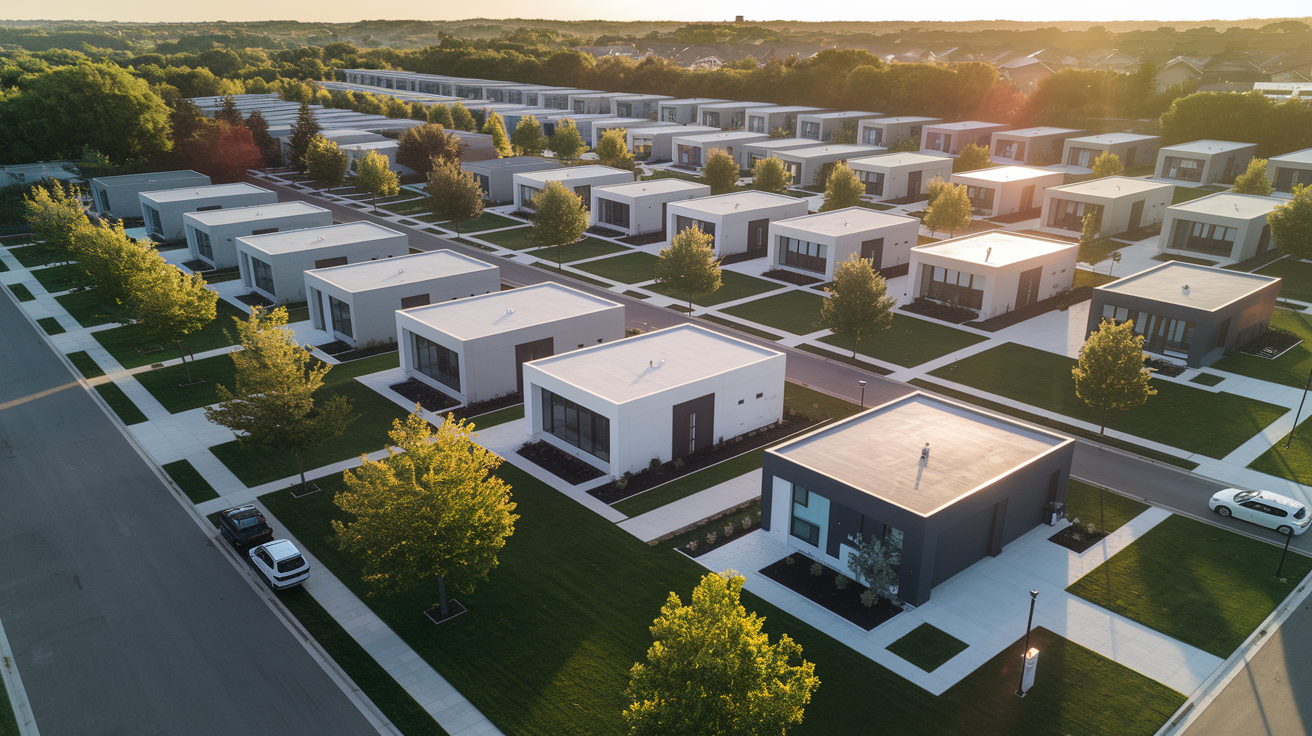
Hybrid work isn’t a temporary thing anymore. It’s become a permanent fixture. More than 40% of U.S. employees now have some level of remote flexibility as of 2026, and that’s not going away. This structural change in where and how people work has completely reshaped where they choose to live. When you don’t have to commute five days a week, you can prioritize space, affordability, and lifestyle over being close to a downtown office tower. What we’re seeing is a sustained reallocation of rental demand from dense urban cores to suburban communities, particularly in markets where single-family rentals and townhomes offer better value and more room.
Suburban rental demand has outpaced urban growth across most major metros since 2020. That gap has widened through 2026. Communities like Parker, Castle Rock, Highlands Ranch, Centennial, Littleton, Lone Tree, and Aurora continue to absorb renters looking for two and three-bedroom homes with yards, garages, and dedicated office space. Urban luxury apartments, meanwhile, are posting only moderate rent increases and facing higher vacancy rates than pre-pandemic norms. The reasons are straightforward: suburban landlords benefit from low inventory, strong tenant retention, and pricing power that urban high-rises have struggled to recapture.
Three structural factors underpin the durability of this shift. First, single-family rental inventory in desirable suburban locations remains tight, keeping vacancy low and rent growth steady. Second, high home prices continue to lock potential buyers in the rental market, sustaining demand for suburban units that offer more space per dollar. And third, migration flows that were once assumed to be cyclical have proven persistent. Renters who moved to the suburbs during the pandemic are showing little inclination to return downtown.
| Metric | Suburban Rental Market | Urban Rental Market |
|---|---|---|
| Rent Growth Trajectory (2020–2026) | Stronger, more stable increases | Moderate increases, slower recovery |
| Vacancy Trends | Lower than pre-2020 levels | Higher than pre-2020 levels |
| Most Demanded Unit Sizes | 2- and 3-bedroom single-family homes, townhomes | Studios and 1-bedroom apartments |
| Migration Flow Direction | Strong inbound, persistent through 2026 | Net outbound or flat in many metros |
Hybrid Work’s Influence on Shifting Housing Preferences

Hybrid work models, typically one to three required office days per week, have become the preferred arrangement for most employees with remote flexibility. This has reshaped what renters look for in a home. You need to accommodate video calls, focused work sessions, and flexible schedules. Extra square footage, soundproofing, and reliable connectivity aren’t nice-to-haves anymore. They’re baseline requirements. Renters who split time between home and office are willing to trade a longer occasional commute for more livable, functional space the rest of the week.
Demand has concentrated in two and three-bedroom homes. Properties with finished basements or bonus rooms lease faster. These extra spaces serve as dedicated home offices, letting renters separate work from living areas. That’s especially valued by couples or families where both adults work remotely part-time.
The most requested housing features influenced by hybrid work:
- High-speed gigabit internet for video conferencing and cloud-based workflows
- Finished basements or extra bedrooms that can serve as dedicated office space
- Soundproofing or quiet locations to support virtual meetings without interruption
- Built-in desk nooks or flex spaces that improve workspace ergonomics
- Smart-home systems like locks, thermostats, and security cameras that add convenience for renters managing home and work schedules
- Energy-efficient HVAC to control costs during extended home occupancy
These features directly influence both leasing speed and rent premiums. Properties marketed as “remote-work ready” with gigabit internet and dedicated office space lease faster and command higher monthly rents, often by several percentage points, compared to otherwise similar units. Landlords who add cost-effective upgrades like improved lighting, built-in desks, or fiber connections see measurable improvements in tenant interest and retention. This is especially true in suburban markets where renters expect more space and functionality for their dollar.
Migration Patterns Driving Suburban Demand Growth
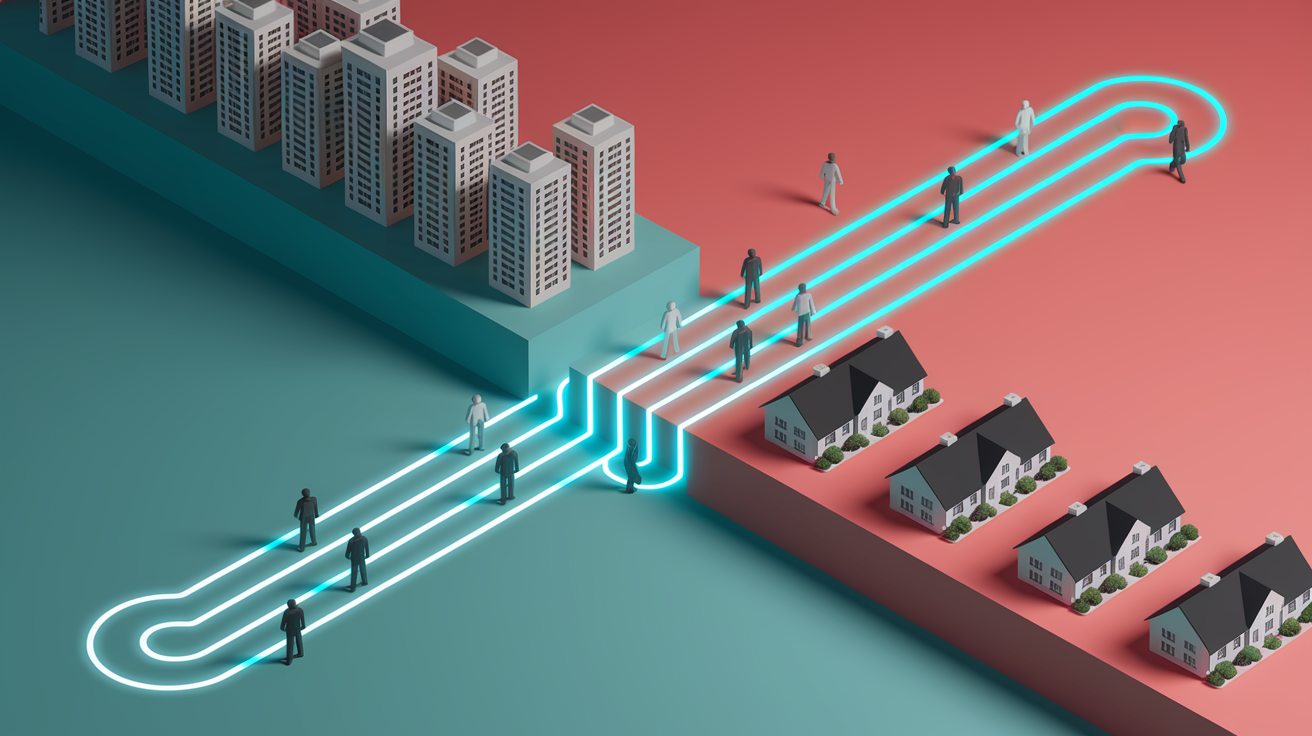
The geographic flow of renters has been remarkably consistent since the pandemic began. Sustained movement from urban cores to suburban communities in markets across the country. In Metro Denver and the South Metro area, Parker, Castle Rock, Highlands Ranch, Centennial, Littleton, Lone Tree, and Aurora have absorbed significant renter demand. These communities offer larger housing stock, newer inventory, and proximity to trails, parks, and highly rated schools. All factors that align with what remote and hybrid workers want.
The demographic profile of suburban migrants is concentrated among millennials entering their 30s and forming families, remote-first Gen Z professionals prioritizing affordability, and downsizing baby boomers who prefer to rent rather than maintain large homes. Families with school-age children and dual-income households working hybrid schedules make up the largest share of movers. Their preference for single-family rentals with yards and multiple bathrooms has driven demand for these property types to multi-year highs.
Migration data through 2026 shows no meaningful reversal. Renters who relocated to suburban areas during 2020 and 2021 have largely stayed put. New arrivals continue to follow the same outbound pattern. This persistence suggests the shift is structural, not cyclical. Employers have normalized hybrid policies, renters have adapted their housing expectations to match, and the friction required to move back downtown (higher rent, less space, fewer amenities) remains too high for most households to justify.
Metro-Level Rent Price Mechanics and Vacancy Behavior
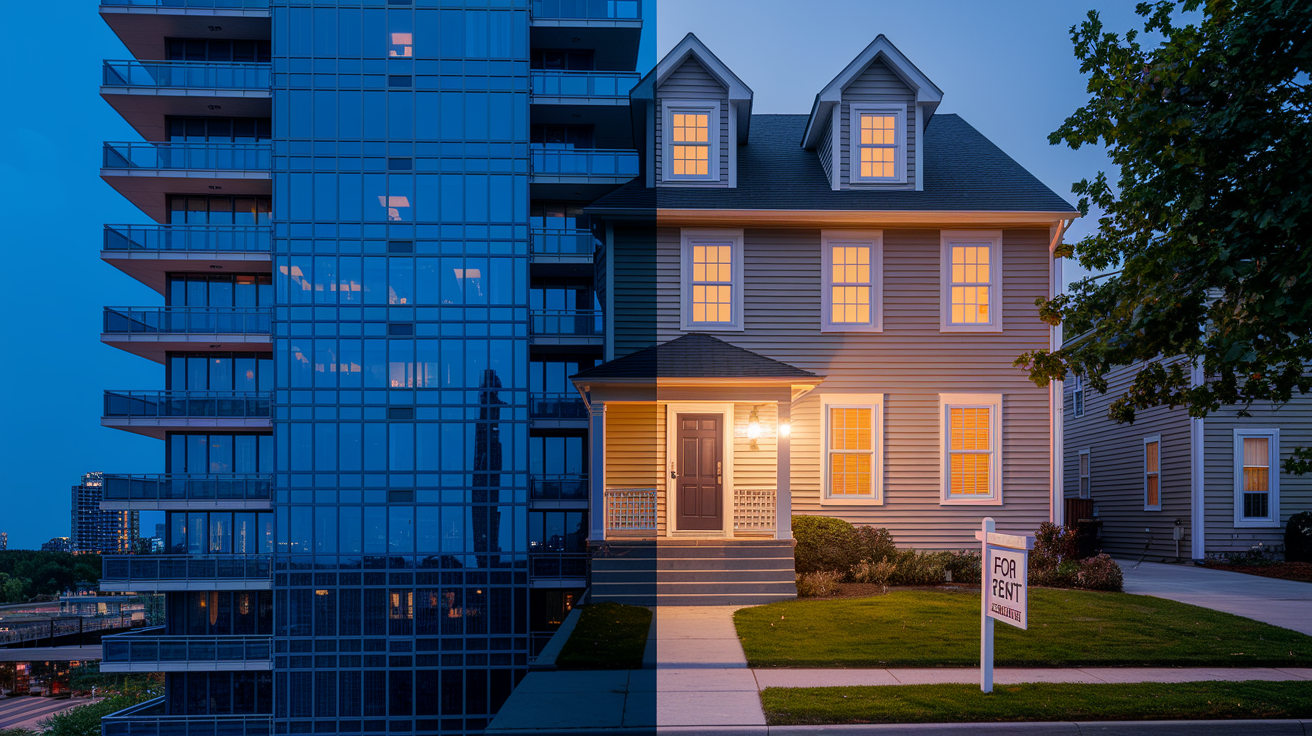
Suburban single-family rentals and townhomes have posted stronger and more stable rent growth heading into 2026. Urban luxury apartments are seeing moderate increases and slower demand recovery. Pricing power has shifted decisively to suburban landlords, who benefit from low inventory and sustained tenant interest. In 18 of the 20 largest U.S. metros, renting in the suburbs is cheaper than renting in urban centers. Suburban renters save about 11% on average. The gap is even more pronounced in high-cost markets. New York metro suburban renters save an average of $1,600 per month compared to urban rentals.
Vacancy trends reflect the same divergence. Suburban markets are running below pre-2020 vacancy norms, with turnover tightly controlled by landlords who prioritize tenant retention and can afford to be selective. Urban vacancy rates remain elevated, particularly in luxury high-rise segments that relied heavily on pre-pandemic demand from young professionals and corporate relocations. Without those inflows returning at previous levels, urban landlords face softer pricing power and longer lease-up timelines.
| Pricing and Vacancy Indicator | Data Point |
|---|---|
| Average Suburban Rent Savings (18 of 20 Largest Metros) | ~11% lower than urban centers |
| New York Metro Suburban Rent Savings | ~$1,600 per month vs. urban rentals |
| Suburban Vacancy Trend (2020–2026) | Below pre-2020 levels, tightening in many submarkets |
| Urban Vacancy Trend (2020–2026) | Elevated, especially in luxury high-rise segments |
| Pricing Power Shift | Suburban landlords gaining leverage; urban landlords offering concessions |
Amenities Influencing Modern Rental Choices
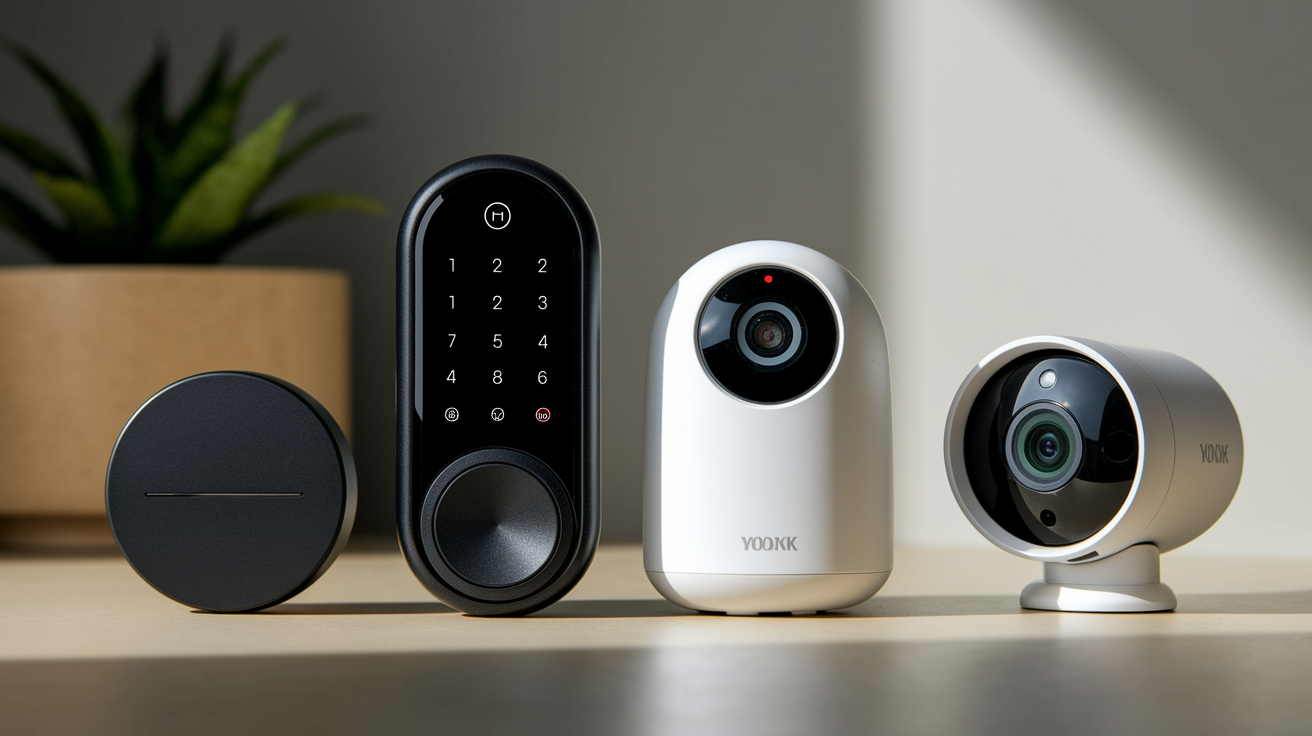
Remote and hybrid work have elevated the importance of specific amenities that directly support productivity, comfort, and quality of life during extended home occupancy. Properties that offer these features lease faster and command higher rents, particularly in suburban markets where renters expect more functionality per square foot. The most requested amenities reflect a shift from proximity-based value (being close to transit or nightlife) to on-site utility and flexibility.
Top amenity preferences among hybrid renters include gigabit-capable high-speed internet, which is now non-negotiable for video conferencing and cloud-based work. Defined workspace like a home office, extra bedroom, or loft. Pet-friendly policies that accommodate the pets acquired during the pandemic. Smart-home systems including keyless entry, programmable thermostats, and security cameras. Energy-efficient HVAC to manage costs during higher daytime occupancy. Private outdoor space like patios, yards, or balconies. Proximity to parks, trails, and recreational amenities that support active lifestyles.
Each of these features influences leasing velocity and pricing in measurable ways. Gigabit internet access reduces time-to-lease and justifies a 2 to 4% rent premium in competitive submarkets. Dedicated office space or flex rooms increase tenant retention and attract higher-income renters willing to pay for separation between work and living areas. Pet-friendly policies expand the tenant pool and reduce vacancy risk, especially in single-family rentals. Smart-home features signal a modern, well-maintained property and improve perceived value without major capital outlay. Energy-efficient systems lower tenant utility costs, a selling point that matters more when renters are home all day. Outdoor space and trail access appeal to families and remote workers seeking lifestyle balance, driving stronger demand in parks-adjacent suburban locations. Soundproofing or quiet locations reduce friction for virtual meetings and make units more competitive in markets with high hybrid-renter concentration.
How Corporate Policies and Commute Expectations Shape Location Choices

Employer flexibility determines how far renters are willing to live from job centers. Hybrid workers with one to three required in-office days per week can tolerate longer commutes because they make the trip less frequently. This opens up suburban and exurban locations that would have been impractical under a five-day schedule. The traditional proximity premium that kept renters concentrated within short transit distances of downtown offices has broken.
Public transit usage remains below pre-2020 levels. Many hybrid workers now drive to the office on their designated in-person days rather than relying on commuter rail or bus routes. This preference for car-based commuting reduces the importance of transit access and further expands the geographic range of acceptable rental locations. Renters prioritize driveability over walkability. Suburban communities with highway access and ample parking have become more attractive relative to downtown apartments near transit hubs.
The resulting redistribution of interest has favored suburban single-family rentals and townhomes over downtown apartments. Renters who work from home three or four days a week are optimizing for the majority of their time (space, quiet, and amenities) rather than the minority of days spent commuting. This logic holds even when suburban rents are comparable to urban options, because the additional square footage, outdoor space, and quality-of-life features deliver better day-to-day value. Urban landlords who once competed on convenience now face tenants who value flexibility and space more than proximity.
Investor Implications of the Suburbs vs Urban Rental Market Shift

Suburban rental demand is projected to persist for years, supported by structural tailwinds including hybrid work permanence, high home prices keeping buyers in the rental pool, and limited single-family rental inventory in high-demand submarkets. Investors targeting long-term appreciation and stable cash flow should prioritize mid-size single-family rentals and townhomes in suburban communities near parks, trails, good school districts, and finished basements suitable for home offices. These property types align with tenant preferences and benefit from the tightest supply-demand dynamics.
Rental yields in suburban markets have proven more resilient than urban equivalents, particularly in single-family and townhome segments where vacancy risk is low and tenant retention is high. Cap rates remain compressed in the most competitive suburban locations, but total returns (combining rent growth and appreciation) continue to outpace urban multifamily properties that face elevated vacancy and softer pricing power. Long-term volatility risk is lower in suburbs where demand is driven by durable lifestyle and work preferences rather than cyclical corporate relocation trends.
Best Property Types for Long-Term ROI
Mid-size single-family rentals (typically three bedrooms, two bathrooms, with a garage and yard) offer the strongest risk-adjusted returns in the current market. These homes attract the largest tenant pool, including families, dual-income hybrid workers, and downsizing boomers. Townhomes with attached garages and private outdoor space also perform well, particularly in newer suburban developments near schools and trails. Both property types benefit from limited new supply, strong tenant demand, and rent growth that has outpaced inflation in most metros since 2020. Investors who add cost-effective remote-work upgrades (gigabit internet, built-in desks, smart-home devices) can further improve leasing velocity and command premium rents.
Timeline of the Rental Demand Shift: 2020 to 2026
The shift from urban to suburban rental demand began abruptly in 2020 when COVID-19 forced a sudden transition to remote work. Renters who no longer needed to commute daily began questioning the value of expensive urban apartments. Many relocated to suburbs in search of space, affordability, and outdoor access. This initial wave was driven by pandemic-specific concerns (safety, density aversion, desire for home offices), but the migration continued well beyond the acute crisis phase.
Between 2021 and 2024, hybrid work models became the standard arrangement at most large employers, normalizing flexible schedules and part-time remote work. During this period, suburban demand accelerated as renters realized the flexibility was permanent and adjusted their housing decisions accordingly. Single-family rentals and townhomes in suburban locations absorbed the bulk of this demand, while urban luxury apartments saw only partial recovery in occupancy and rent growth.
By 2026, the market has stabilized into a new equilibrium. Suburban rental demand remains elevated and shows no signs of reversing, while urban markets have adapted to lower occupancy and slower rent appreciation. Indicators of this stabilization include consistent suburban vacancy rates below pre-2020 levels, sustained migration flows into suburban communities, normalized hybrid work policies at major employers, and ongoing build-to-rent construction concentrated in suburban metros.
Major phases of the shift:
Pandemic Onset (2020): Sudden shift to remote work triggers urban renter exodus. Suburban single-family rentals see immediate demand spike.
Hybrid Normalization (2021–2023): Employers adopt permanent hybrid policies. Renters who moved to suburbs stay put. New cohorts continue to prioritize space and flexibility over proximity.
Suburban Demand Acceleration (2023–2025): Build-to-rent construction ramps up in suburban markets. Rent growth in suburbs outpaces urban recovery. Vacancy rates tighten in high-demand suburban communities.
2026 Equilibrium: Structural suburban preference established. Urban markets stabilize at lower occupancy and slower growth. Hybrid work adoption exceeds 40% of U.S. workforce.
Case Study Snapshots of Metro-Level Rental Market Shifts

Metro Denver and the South Metro area illustrate the broader national pattern. Sustained suburban inbound flows, tight single-family rental inventory, and elevated vacancy in urban luxury segments. Communities like Parker, Castle Rock, Highlands Ranch, and Aurora have absorbed significant renter demand, driven by families and remote professionals seeking larger homes, strong schools, and outdoor amenities. These suburbs benefit from newer housing stock, proximity to trails and parks, and highway access that accommodates hybrid commuters.
Nationally, build-to-rent construction has concentrated in states and metros where suburban demand growth has been strongest. Texas leads with 21,800 single-family rentals under construction, followed by Arizona with approximately 14,000 and Florida with approximately 14,000. At the metro level, Phoenix tops the list with 13,100 BTR homes in the pipeline, reflecting investor confidence in sustained suburban rental demand. These construction volumes signal long-term structural shifts rather than short-term speculation.
| Metro-Level Trend | Suburban Dynamics | Urban Dynamics |
|---|---|---|
| Denver Metro Inbound Suburban Communities | Parker, Castle Rock, Highlands Ranch, Centennial, Littleton, Lone Tree, Aurora | Downtown Denver: slower recovery, elevated vacancy |
| Build-to-Rent Pipeline (National) | Texas 21,800; Arizona ~14,000; Florida ~14,000; Phoenix metro 13,100 | Urban multifamily construction remains subdued |
| Supply Constraints | Low single-family rental inventory; high buyer competition limits turnover | Luxury high-rise inventory elevated; concessions common |
| Vacancy Patterns | Tightening in high-demand suburbs; below pre-2020 norms | Elevated in core urban markets; partial recovery ongoing |
Final Words
Hybrid work has changed where renters choose to live: suburbs are showing stronger rent growth, lower vacancy, and higher demand for two- and three-bedroom homes.
That’s driven by space needs, employer flexibility, and amenities like gigabit internet, finished basements, and private outdoor areas. Urban luxury apartments still fill niches but face higher vacancies.
Watch rents, vacancy, and BTR pipelines. For owners and investors, targeting mid-size single-family rentals and townhomes near good schools is a smart play as the suburbs vs urban rental demand shift due to hybrid work continues. Real opportunities are emerging.
FAQ
Q: What is the demand for hybrid work and are companies doing away with hybrid work?
A: The demand for hybrid work remains strong: over 40% of U.S. employees had remote flexibility by 2026, adoption has stabilized, and most companies kept hybrid policies rather than eliminating them.
Q: How does remote work affect urban economies and how did the rise of suburbs affect cities?
A: Remote work and suburban migration cut downtown foot traffic and transit use, reducing urban rent power and commercial demand while boosting suburban single-family rental demand, rent growth, and neighborhood spending.